
Meditation – An Introduction
Meditation is an ancient practice cultivated for thousands of years, offering pathways to mental clarity, emotional balance, and physical well-being. At its core, meditation involves focusing the mind and eliminating distractions to achieve a state of heightened awareness and inner peace. This ancient practice, rooted in various spiritual and religious traditions, has gained widespread popularity in the modern world due to its numerous health benefits.
Meditation can be incredibly helpful to people in multiple ways. It serves as a powerful tool for managing stress and anxiety, promoting relaxation, and enhancing emotional well-being. Regular meditation practice can improve concentration and cognitive function, making it easier to navigate the demands of daily life. Moreover, meditation has been linked to better physical health, including lower blood pressure, improved heart health, and enhanced immune function.
The versatility of meditation allows it to be tailored to individual preferences and needs. There are several different types of meditation, each with its unique approach and benefits. In this guide, we will explore various forms of meditation, including Mindfulness Meditation, Focused Meditation, Movement Meditation, Loving-Kindness Meditation (Metta), and Transcendental Meditation. By understanding these diverse practices, you can find the one that resonates most with you and integrate it into your daily routine, paving the way for a more balanced and fulfilling life.
Mindfulness Meditation

Mindfulness meditation is a practice that revolves around the concept of mindfulness, which is the state of being fully present and engaged in the current moment without judgment or distraction. Originating from Buddhist traditions, mindfulness has gained significant popularity in the West, especially through the work of pioneers like Jon Kabat-Zinn, who developed the Mindfulness-Based Stress Reduction (MBSR) program.
The Essence of Mindfulness Meditation
Mindfulness meditation involves paying close attention to your thoughts, feelings, bodily sensations, and the surrounding environment. The practice is not about emptying the mind but rather observing its activities with a sense of curiosity and acceptance. This can be done in various ways:
- Breath Awareness: Focus on the breath as it enters and leaves the body. Notice the sensation of the air flowing in and out of your nostrils, the rise and fall of your chest, and the expansion and contraction of your abdomen. When your mind wanders, gently bring your attention back to the breath.
- Body Scan: This technique involves slowly and methodically bringing attention to different parts of your body, starting from the toes and moving up to the head. The goal is to notice sensations, tensions, and areas of relaxation, promoting a deeper connection between mind and body.
- Mindful Listening: Engage with the sounds around you without labelling or judging them. Whether it’s the hum of an air conditioner, the chirping of birds, or distant traffic, listen with full attention and notice the details of each sound.
- Mindful Eating: Pay close attention to the process of eating. Notice the colours, textures, and smells of your food. Take small bites, chew slowly, and savour each flavour. This practice helps cultivate a greater appreciation for food and can aid in digestion and overall eating habits.
- Thought Observation: Allow thoughts to arise and pass without getting caught up in them. Imagine them as clouds drifting by or leaves floating down a stream. Recognize each thought, acknowledge its presence, and let it go, returning your focus to the present moment.
The Benefits of Mindfulness Meditation
- Stress Reduction: By focusing on the present moment, mindfulness meditation helps break the cycle of stress and worry about the past or future. According to Jon Kabat-Zinn, “Mindfulness means paying attention in a particular way: on purpose, in the present moment, and non-judgmentally.”
- Enhanced Emotional Regulation: Mindfulness helps individuals become more aware of their emotions, allowing them to respond rather than react to situations. This leads to better emotional control and resilience.
- Improved Focus and Concentration: Regular practice enhances attention span and cognitive function. It trains the brain to stay focused on the task at hand, reducing the impact of distractions.
- Greater Self-Awareness: Mindfulness meditation promotes a deeper understanding of oneself, fostering a greater sense of self-compassion and acceptance. Thich Nhat Hanh, a renowned mindfulness teacher, said, “To be beautiful means to be yourself. You don’t need to be accepted by others. You need to accept yourself.”
- Better Physical Health: Studies have shown that mindfulness meditation can lower blood pressure, improve sleep quality, and boost the immune system. It encourages a holistic approach to health by addressing both mental and physical well-being.
How to Practice Mindfulness Meditation
- Find a Comfortable Position: Sit in a chair or on the floor with your back straight. You can also practice lying down, but be aware of the possibility of falling asleep.
- Set a Time Limit: If you are new to meditation, start with short sessions of 5-10 minutes. Gradually increase the duration as you become more comfortable with the practice.
- Focus on Your Breath: Close your eyes and take a few deep breaths. Then, settle into a natural breathing rhythm. Focus your attention on the sensation of breathing, noticing each inhale and exhale.
- Observe Without Judgment: As you meditate, thoughts, feelings, and sensations will arise. Instead of trying to push them away, acknowledge them without judgment and gently bring your focus back to your breath.
- Practice Regularly: Consistency is key. Try to practice mindfulness meditation daily, even if only for a few minutes. Over time, you will notice its effects on your overall well-being.
Overview
Mindfulness meditation is a powerful practice that brings attention to the present moment, fostering a deeper connection with oneself and the surrounding environment. It offers numerous benefits, including stress reduction, enhanced emotional regulation, and improved physical health. By incorporating mindfulness into daily life, individuals can cultivate a sense of peace and balance, leading to a more fulfilling and meaningful existence. As Thich Nhat Hanh beautifully puts it, “The present moment is filled with joy and happiness. If you are attentive, you will see it.”
Focused Meditation

Focused meditation is a practice that involves concentrating intensely on a single point of focus, such as the breath, a mantra, an object, or a sound. Unlike mindfulness meditation, which encourages open awareness of thoughts and sensations, focused meditation requires sustained attention on one particular element, helping to deepen concentration and calm the mind. This practice is integral to many spiritual traditions and is known for its ability to enhance mental clarity and stability.
The Essence of Focused Meditation
Focused meditation is about honing the mind’s ability to concentrate on a single point of reference. Here are common methods used in focused meditation:
- Breath Focus: Concentrate solely on the breath. Notice each inhalation and exhalation, feeling the air entering and leaving the nostrils or the rise and fall of the chest. When your mind wanders, gently bring it back to the breath.
- Mantra Meditation: Repeat a word, phrase, or sound, known as a mantra, to anchor your attention. The mantra can be spoken aloud or silently in the mind. Common mantras include “Om,” “Peace,” or phrases like “I am calm.”
- Object Focus: Choose a visual object, such as a candle flame, a flower, or a picture, and fix your gaze on it. Study its details and allow your mind to be absorbed by the object.
- Sound Focus: Listen to a particular sound or piece of music with full attention. This could be the sound of a bell, a piece of instrumental music, or natural sounds like flowing water or birdsong.
- Body Sensations: Focus on the sensations in a specific part of the body. For instance, you might concentrate on the feeling of your feet touching the ground or the sensation of your hands resting in your lap.
The Benefits of Focused Meditation
- Enhanced Concentration: By regularly practicing focused meditation, individuals can significantly improve their ability to concentrate on tasks. This is particularly useful in today’s multitasking world. “In the end, just three things matter: how well we have lived, how well we have loved, and how well we have learned to let go,” says meditation teacher Jack Kornfield.
- Reduced Stress and Anxiety: Like other forms of meditation, focused meditation can help lower stress levels. Concentrating on a single point helps quiet the mind, reducing the impact of stressful thoughts and feelings.
- Improved Memory and Cognitive Function: Sustained focus can lead to better memory retention and overall cognitive performance. The practice trains the brain to filter out distractions, enhancing mental clarity and problem-solving skills.
- Increased Emotional Stability: Focused meditation promotes emotional regulation by helping individuals maintain a calm and balanced mind. It encourages a sense of control over one’s thoughts and reactions.
- Spiritual Growth: For those on a spiritual path, focused meditation can deepen one’s connection with their inner self and the universe. It can lead to profound insights and a greater sense of purpose and meaning in life.
How to Practice Focused Meditation
- Choose Your Focus: Decide what you will concentrate on during your meditation session. It could be your breath, a mantra, an object, a sound, or a body sensation.
- Find a Quiet Space: Select a peaceful environment where you won’t be disturbed. This helps minimize external distractions.
- Get Comfortable: Sit or lie down in a comfortable position. Ensure your back is straight if you’re sitting, which helps with alertness.
- Set a Time Limit: Start with short sessions, around 5-10 minutes, and gradually increase the duration as you become more comfortable with the practice.
- Begin Your Focus: Direct your attention to your chosen point of focus. If it’s your breath, notice each inhale and exhale. If it’s a mantra, repeat it steadily. If it’s an object, study its details.
- Gently Redirect Attention: When your mind inevitably wanders, gently bring your focus back to the chosen point. This redirection is a crucial part of the practice and helps strengthen concentration over time.
- End with Reflection: Conclude your session by reflecting on how you feel. Notice any changes in your mental state or emotions.
Overview
Focused meditation is a powerful practice that helps cultivate deep concentration and mental clarity. By directing attention to a single point of focus, individuals can enhance their cognitive abilities, reduce stress, and achieve greater emotional stability. Whether you choose to focus on your breath, a mantra, or an object, the consistent practice of focused meditation can lead to profound personal growth and a more balanced and centered life. As Jon Kabat-Zinn eloquently states, “You can’t stop the waves, but you can learn to surf.” By training the mind through focused meditation, you learn to navigate life’s challenges with greater ease and resilience.
Movement Meditation

Movement meditation is a practice that combines mindful awareness with physical movement, allowing individuals to cultivate presence and inner peace while engaging in activity. Unlike traditional seated meditation, movement meditation involves conscious motion, integrating the body and mind to achieve a state of flow and tranquillity. This form of meditation can be particularly beneficial for those who find it challenging to sit still for extended periods.
The Essence of Movement Meditation
Movement meditation involves performing a series of deliberate, mindful movements, often synchronized with the breath. The goal is to bring full awareness to each motion, creating a seamless connection between body and mind. Here are some common types of movement meditation:
- Yoga: Yoga is perhaps the most well-known form of movement meditation. It involves a series of physical postures, or asanas, combined with controlled breathing and mindful awareness. Each pose is performed with intention, focusing on alignment, balance, and breath.
- Tai Chi: Originating from ancient China, Tai Chi is a martial art that is practiced for its health benefits and meditative qualities. It consists of slow, flowing movements that are performed with deep concentration and a focus on breathing.
- Qigong: Similar to Tai Chi, Qigong is a Chinese practice that involves coordinated movements, breath work, and meditation. It aims to cultivate and balance the body’s vital energy, or “qi.”
- Walking Meditation: In walking meditation, individuals walk slowly and mindfully, paying close attention to each step and the sensations in their body. This practice can be done indoors or outdoors and is an excellent way to integrate meditation into daily life.
- Dance Meditation: Dance meditation involves freeform dancing with a focus on self-expression and awareness. Participants move their bodies in whatever way feels natural, allowing the rhythm and music to guide them into a meditative state.
The Benefits of Movement Meditation
- Enhanced Mind-Body Connection: Movement meditation fosters a deep awareness of the body and its sensations. This enhanced connection can improve overall physical health and coordination.
- Reduced Stress and Anxiety: Like other forms of meditation, movement meditation helps reduce stress by promoting relaxation and mindfulness. The physical activity involved also releases endorphins, which can enhance mood and alleviate anxiety.
- Improved Physical Health: Practices like yoga, Tai Chi, and Qigong offer physical benefits such as increased flexibility, strength, balance, and cardiovascular health. Regular practice can lead to improved overall fitness and well-being.
- Greater Mental Clarity and Focus: The mindful nature of movement meditation helps sharpen concentration and focus. By paying attention to each movement, practitioners can develop a greater sense of mental clarity.
- Emotional Stability: Movement meditation encourages emotional regulation by helping individuals release pent-up emotions and stress through physical activity. This can lead to greater emotional balance and resilience.
- Spiritual Growth: For many, movement meditation is a spiritual practice that deepens their connection with themselves and the universe. It can lead to profound insights and a greater sense of inner peace and purpose.
How to Practice Movement Meditation
- Choose a Practice: Decide on the type of movement meditation you want to engage in. It could be yoga, Tai Chi, Qigong, walking meditation, or dance meditation.
- Find a Suitable Space: Select a space where you can move freely without distractions. This could be a quiet room, a garden, or a park.
- Set an Intention: Before you begin, set an intention for your practice. This could be to relax, to connect with your body, or simply to enjoy the movement.
- Focus on Your Breath: Synchronize your movements with your breath. Inhale as you begin a movement and exhale as you complete it. This helps create a rhythmic flow and keeps you grounded in the present moment.
- Move Mindfully: Pay close attention to each movement. Notice the sensations in your body, the way your muscles feel, and the rhythm of your breath. Move slowly and deliberately, bringing full awareness to the experience.
- Be Present: As you move, let go of any distractions or thoughts. If your mind wanders, gently bring your focus back to the movement and your breath.
- Conclude with Stillness: After your movement meditation, take a few moments to sit or lie down in stillness. Reflect on how you feel and express gratitude for your practice.
Overview
Movement meditation is a powerful practice that integrates mindful awareness with physical activity, offering numerous benefits for the mind, body, and spirit. Whether through yoga, Tai Chi, Qigong, walking, or dance, this form of meditation helps cultivate a deep connection between body and mind, reduces stress, and promotes overall well-being. By incorporating movement meditation into daily life, individuals can experience greater physical health, mental clarity, emotional stability, and spiritual growth. As the ancient Chinese philosopher Lao Tzu said, “The journey of a thousand miles begins with one step.” Through mindful movement, we can embark on a journey towards inner peace and harmony.
Loving-Kindness Meditation (Metta)
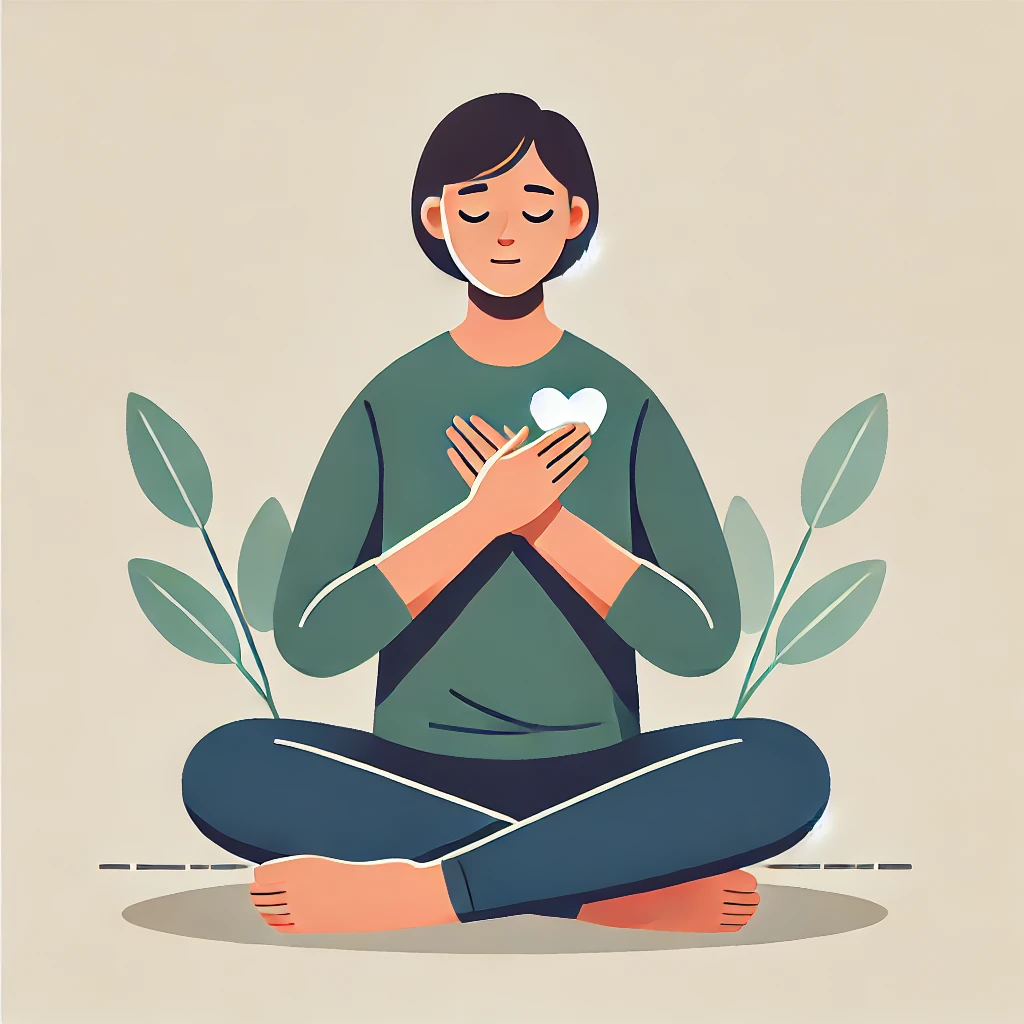
Loving-Kindness Meditation, also known as Metta Bhavana, is a practice that involves cultivating an attitude of unconditional love and compassion towards oneself and others. Originating from Buddhist traditions, Metta meditation is designed to develop and expand our innate capacity for kindness and empathy. The term “Metta” means benevolence, loving-kindness, friendliness, and amity. Bhavana means development or cultivation. Together, Metta Bhavana means the cultivation of loving-kindness.
The Essence of Loving-Kindness Meditation
Loving-Kindness Meditation is about generating feelings of love and compassion and extending these feelings to others. It involves repeating specific phrases or affirmations that express good wishes. Here is how it typically progresses:
- Starting with Yourself: Begin by focusing on yourself. Repeat phrases like, “May I be happy. May I be healthy. May I be safe. May I live with ease.” This helps cultivate self-compassion, which is the foundation of loving-kindness for others.
- Loved Ones: Next, think of someone you love deeply. Visualize this person and repeat the phrases for them: “May you be happy. May you be healthy. May you be safe. May you live with ease.”
- Friends and Family: Extend these feelings to other friends and family members. Visualize each person and repeat the phrases, sending them your love and good wishes.
- Neutral People: Think of someone you don’t have strong feelings for, someone you see regularly but don’t know well, like a colleague or a neighbour. Repeat the phrases for them as well.
- Difficult People: This can be the most challenging part. Visualize someone with whom you have conflict or difficulty and extend your loving-kindness to them: “May you be happy. May you be healthy. May you be safe. May you live with ease.”
- All Beings: Finally, extend these feelings to all living beings everywhere, embracing the whole world with your love and compassion.
The Benefits of Loving-Kindness Meditation
- Enhanced Emotional Well-Being: Regular practice of Metta meditation can increase positive emotions and reduce negative emotions like anger, resentment, and jealousy. It fosters a sense of inner peace and happiness.
- Improved Relationships: By cultivating an attitude of love and compassion, Metta meditation can improve your relationships. It encourages empathy and understanding, helping to resolve conflicts and build stronger connections.
- Increased Empathy and Compassion: Loving-kindness meditation helps develop empathy and compassion, making you more attuned to the suffering of others and more inclined to offer help and support.
- Reduced Stress and Anxiety: Like other forms of meditation, Metta meditation can help reduce stress and anxiety. The focus on positive feelings can counteract the effects of negative thoughts and emotions.
- Greater Self-Compassion: Starting the practice with self-love helps build a foundation of self-compassion. This can lead to improved self-esteem and a more positive self-image.
How to Practice Loving-Kindness Meditation
- Find a Quiet Space: Choose a quiet and comfortable place where you won’t be disturbed. Sit in a comfortable position, with your back straight and hands resting on your lap.
- Relax and Breathe: Close your eyes and take a few deep breaths. Allow your body to relax and your mind to settle.
- Start with Yourself: Focus on yourself and repeat the phrases of loving-kindness. You can say them silently in your mind or out loud. “May I be happy. May I be healthy. May I be safe. May I live with ease.”
- Expand Outwards: Gradually extend these feelings to others, following the progression from loved ones to all beings. Spend a few moments with each group, genuinely wishing them well.
- Visualize: As you repeat the phrases, visualize each person in your mind. Imagine them surrounded by a warm, loving light. See them happy, healthy, and at peace.
- End with All Beings: Conclude by extending your loving-kindness to all living beings everywhere. Feel a sense of interconnectedness and universal love.
Overview
Loving-Kindness Meditation is a powerful practice that nurtures an attitude of unconditional love and compassion. By regularly engaging in Metta meditation, individuals can experience enhanced emotional well-being, improved relationships, increased empathy and compassion, reduced stress and anxiety, and greater self-compassion. As we cultivate loving-kindness towards ourselves and others, we contribute to a more compassionate and harmonious world. As the Buddha said, “Radiate boundless love towards the entire world—above, below, and across—unhindered, without ill will, without enmity.” Through Metta meditation, we can embody this boundless love and make it a central part of our lives.
Transcendental Meditation

Transcendental Meditation (TM) is a specific form of silent, mantra-based meditation developed by Maharishi Mahesh Yogi in the 1950s. Unlike mindfulness or focused meditation, which requires sustained attention on thoughts, sensations, or objects, TM aims to transcend ordinary thinking and experience a state of pure awareness or restful alertness. This practice is simple, natural, and effortless, making it accessible to individuals of all ages and backgrounds.
The Essence of Transcendental Meditation
Transcendental Meditation involves the use of a mantra—a specific sound or phrase—that is silently repeated during the meditation session. The mantra acts as a vehicle to help the mind settle down and transcend to a state of inner peace and stillness. The TM technique is typically practiced for 20 minutes twice a day while sitting comfortably with the eyes closed.
Key aspects of Transcendental Meditation include:
- Use of a Mantra: Each practitioner is given a unique mantra by a certified TM teacher. This mantra is chosen based on specific criteria and is used silently during meditation to help the mind transcend ordinary thought processes.
- Effortless Practice: TM does not require concentration, control of the mind, or specific breathing techniques. It is designed to be easy and natural, allowing the mind to effortlessly move towards a state of restful alertness.
- Regular Schedule: Practicing TM twice daily—once in the morning and once in the evening—is recommended to maximize its benefits. Each session lasts about 20 minutes.
The Benefits of Transcendental Meditation
- Deep Relaxation: TM induces a state of deep relaxation, which helps reduce stress and tension. This relaxation response can lower cortisol levels, promoting overall physical and mental well-being.
- Reduced Anxiety and Depression: Numerous studies have shown that TM can significantly reduce symptoms of anxiety and depression. By promoting a state of inner calm, TM helps individuals manage their mental health more effectively.
- Improved Focus and Cognitive Function: Regular practice of TM enhances brain function, leading to improved concentration, memory, and cognitive abilities. It promotes a state of relaxed alertness that is conducive to learning and problem-solving.
- Better Sleep Quality: TM helps regulate sleep patterns and improve sleep quality. By reducing stress and promoting relaxation, it can alleviate insomnia and other sleep-related issues.
- Enhanced Emotional Stability: TM fosters emotional balance and resilience. Practitioners often report feeling more grounded, less reactive, and better equipped to handle life’s challenges.
- Overall Well-being: TM has been linked to numerous health benefits, including lower blood pressure, reduced risk of heart disease, and enhanced immune function. It promotes a holistic sense of well-being that encompasses both mind and body.
How to Practice Transcendental Meditation
- Learn from a Certified Teacher: The first step in practicing TM is to receive instruction from a certified TM teacher. This ensures that you are given the correct mantra and understand the proper technique.
- Find a Comfortable Space: Choose a quiet and comfortable place where you can sit undisturbed. Sit with your eyes closed and your back straight, allowing your body to relax.
- Repeat Your Mantra: Silently begin to repeat your mantra in your mind. Allow the mantra to come naturally, without forcing it. If your mind wanders, gently return to the mantra.
- Let Go of Effort: TM is about effortless practice. Do not try to control your thoughts or focus intensely. Simply allow the mantra to guide you to a state of restful awareness.
- Conclude Gently: After about 20 minutes, stop repeating the mantra and sit quietly with your eyes closed for a few minutes. This helps you transition smoothly back to normal activity.
- Practice Regularly: Aim to practice TM twice a day, once in the morning and once in the evening. Consistency is key to experiencing the full benefits of the practice.
Overview
Transcendental Meditation is a unique and powerful form of meditation that offers profound benefits for the mind, body, and spirit. By using a simple, mantra-based technique, TM allows individuals to transcend ordinary thinking and experience deep states of relaxation and inner peace. Regular practice can lead to reduced stress, improved mental health, enhanced cognitive function, and overall well-being. As Maharishi Mahesh Yogi stated, “Meditation is the sharp tool to dig out the great treasures hidden within everybody’s inner personality.” Through the practice of TM, individuals can unlock these inner treasures and cultivate a more balanced, peaceful, and fulfilling life.
How to Start Meditation
Starting meditation is a simple process that requires consistency and patience. Here’s a step-by-step guide to help you begin:
- Set Your Intention: Decide why you want to meditate. Whether it’s for stress relief, better focus, or spiritual growth, having a clear intention helps sustain your practice.
- Find a Quiet Space: Choose a peaceful environment where you won’t be disturbed. This could be a corner of your home or a spot in nature.
- Get Comfortable: Sit in a comfortable position. You can sit on a chair, a cushion, or the floor. Keep your back straight to facilitate better breathing.
- Start with Breath Awareness: Focus on your breath. Observe the inhale and exhale without trying to control it. This helps centre your mind and prepares you for deeper meditation.
- Choose a Technique: Select a meditation technique that resonates with you. You might start with mindfulness meditation, focusing on the present moment, or try a guided meditation using an app or online resource.
- Set a Time: Begin with short sessions of 5-10 minutes. Gradually increase the duration as you become more comfortable. Consistency is more important than duration.
- Be Patient and Non-Judgmental: Your mind will wander, and that’s okay. Gently bring your focus back to your breath or chosen focal point without judging yourself.
- End with Gratitude: Conclude your session by expressing gratitude for the time you’ve dedicated to yourself. Reflect on any positive changes you feel.
Conclusion
Meditation is a time-honoured practice that provides a multitude of benefits for the mind, body, and spirit. Through various forms such as Mindfulness, Focused, Movement, Loving-Kindness (Metta), and Transcendental Meditation, individuals can find a practice that best suits their needs and preferences. Each type of meditation offers unique advantages, from stress reduction and emotional regulation to improved cognitive function and physical health.
Regular meditation practice can transform one’s life by fostering a deeper connection with oneself and the world around. It helps manage the stresses of daily life, enhances mental clarity, and promotes a sense of inner peace and well-being. As more people incorporate meditation into their routines, they can experience significant improvements in their overall quality of life.
Whether you are new to meditation or looking to deepen your practice, there is a type of meditation that can support your journey towards greater health, happiness, and spiritual fulfilment. As you explore these practices, remember to be patient and consistent, allowing the benefits of meditation to unfold naturally over time. By integrating meditation into your daily life, you pave the way for a more balanced, mindful, and enriched existence.
Further Reading and References
Books
- “Wherever You Go, There You Are” by Jon Kabat-Zinn
- “The Miracle of Mindfulness” by Thich Nhat Hanh
- “Real Happiness: The Power of Meditation” by Sharon Salzberg
- “Meditation for Beginners” by Jack Kornfield
- “Transcendental Meditation: The Essential Teachings of Maharishi Mahesh Yogi” by Jack Forem
- “The Science of Being and Art of Living: Transcendental Meditation” by Maharishi Mahesh Yogi
- “Strength in Stillness: The Power of Transcendental Meditation” by Bob Roth
Articles
- Kabat-Zinn, J. (1990). “Full Catastrophe Living: Using the Wisdom of Your Body and Mind to Face Stress, Pain, and Illness.”
- Benson, H. (1975). “The Relaxation Response.”
- Rosenthal, N. E. (2011). “Transcendence: Healing and Transformation Through Transcendental Meditation.”
- Travis, F., & Shear, J. (2010). “Focused attention, open monitoring and automatic self-transcending: Categories to organize meditations from Vedic, Buddhist and Chinese traditions.”
Websites
- Mindful: A resource for mindfulness and meditation techniques.
- Headspace: Offers guided meditation sessions and mindfulness practices.
- Insight Timer: A free app with thousands of guided meditations.
- Transcendental Meditation: Official site for learning about TM and finding certified teachers.
- David Lynch Foundation: An organization promoting TM for stress reduction and healing.
Quotes
- Jon Kabat-Zinn: “Mindfulness means paying attention in a particular way: on purpose, in the present moment, and non-judgmentally.”
- Thich Nhat Hanh: “To be beautiful means to be yourself. You don’t need to be accepted by others. You need to accept yourself.”
- Jack Kornfield: “In the end, just three things matter: How well we have lived, how well we have loved, how well we have learned to let go.”
- Maharishi Mahesh Yogi: “Meditation is the sharp tool to dig out the great treasures hidden within everybody’s inner personality.”
- Bob Roth: “Meditation is not a withdrawal from life. Meditation is a preparation for a more dynamic activity.”
By exploring these resources, you can deepen your understanding of the different types of meditation and enhance your personal practice.


